A Calendar of Back East Birthdays
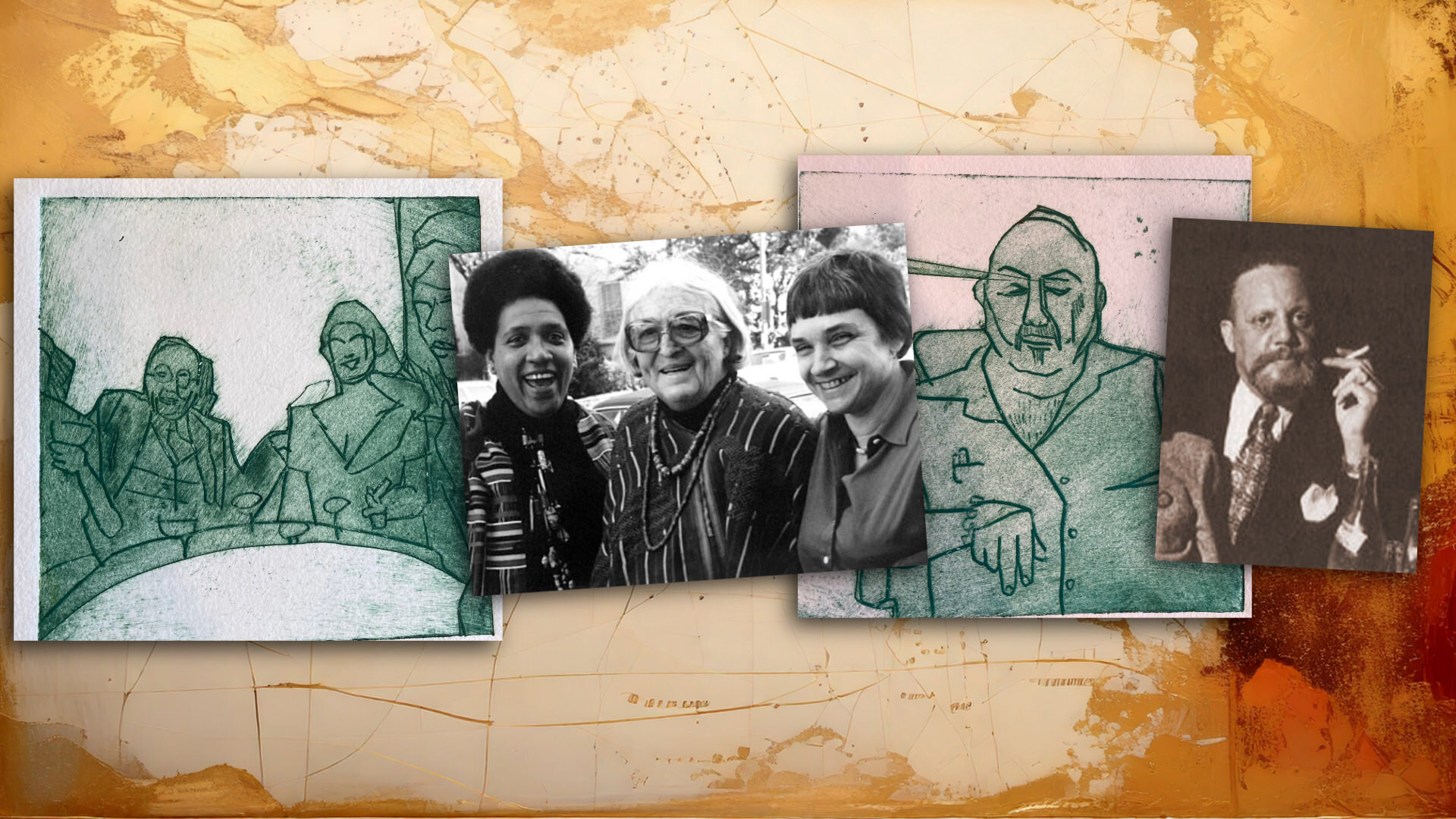
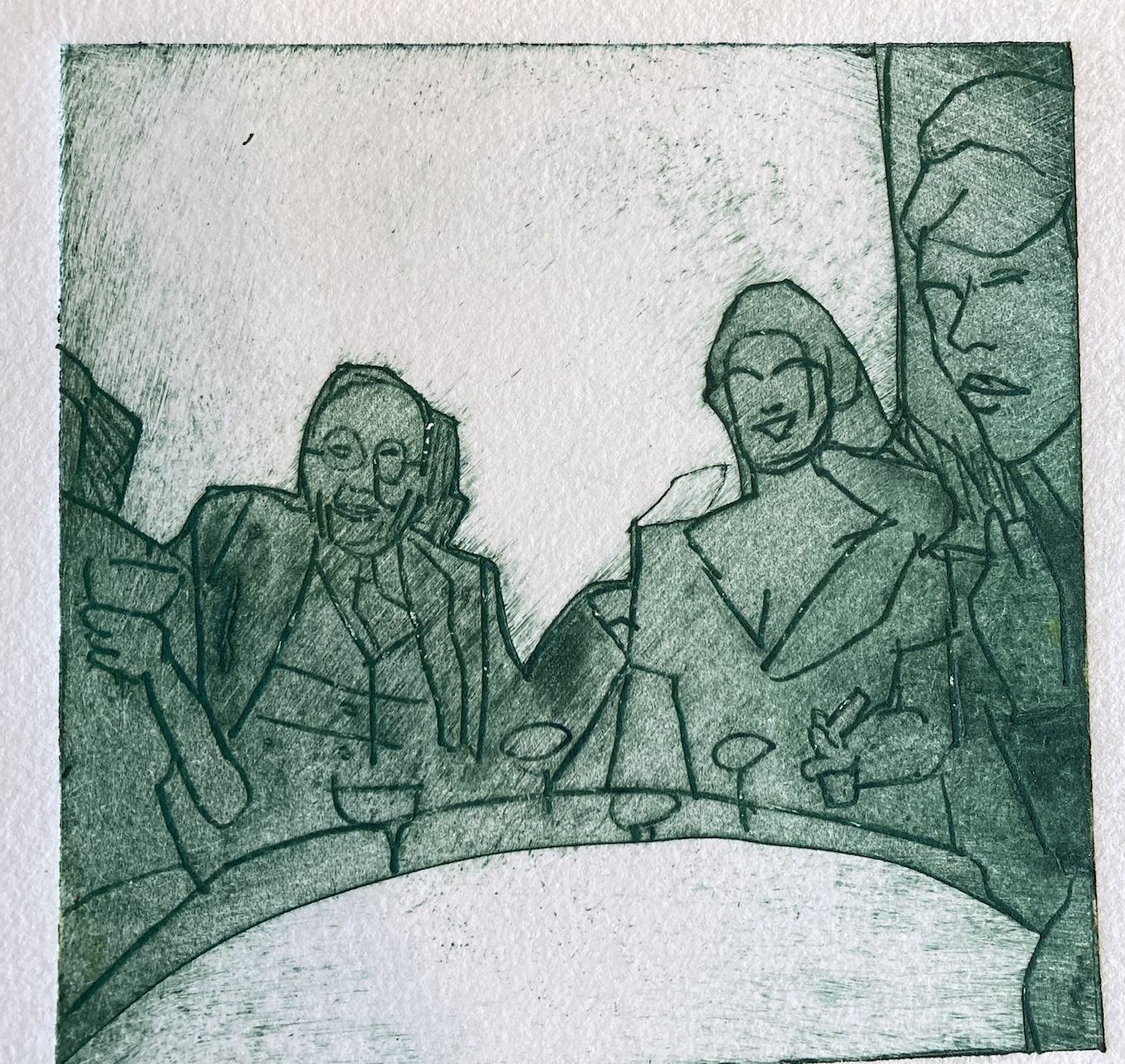
Bernard DeVoto in conversation with fellow writers at the Bread Loaf Writers' Conference by artist Atalaya Magdalena
Bernard DeVoto
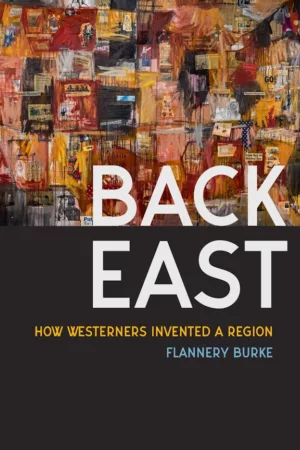
January 11 marks the birthday of writer, conservationist, and westerner Bernard DeVoto. He’s rendered here in conversation with fellow writers at the Bread Loaf Writers’ Conference by artist Atalaya Magdalena. There’s no westerner I can think of who was more back East than DeVoto! That’s one reason why I chose for the chapters I wrote about him and his connections to Wallace Stegner to occupy the very center of Back East.
Meridel LeSueur
February 22 marks the birthday of writer, activist, stuntwoman, and midwesterner Meridel LeSueur. She’s shown here with writers Audre Lorde and Adrienne Rich. Blacklisted in the 1950s, LeSueur supported herself and her children by teaching writing classes, writing children’s literature, and working as a chauffeur. In these troubled times, we can take inspiration from her advice: “Write it down as it is happening.” LeSueur led a radio show in the 1970s with support from folk musician Pete Seeger. I intend to further research that endeavor of hers soon. I admire her willingness to try new things and speak her mind throughout her life. She had great courage.
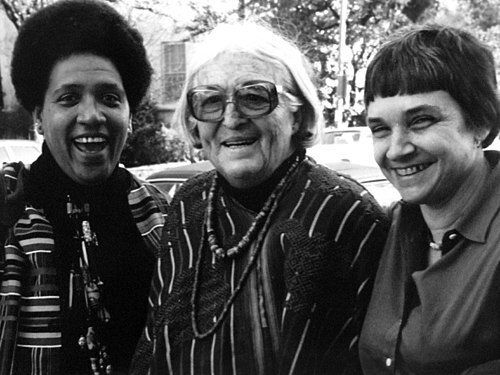
Meridel LeSueur with writers Audre Lorde and Adrienne Rich
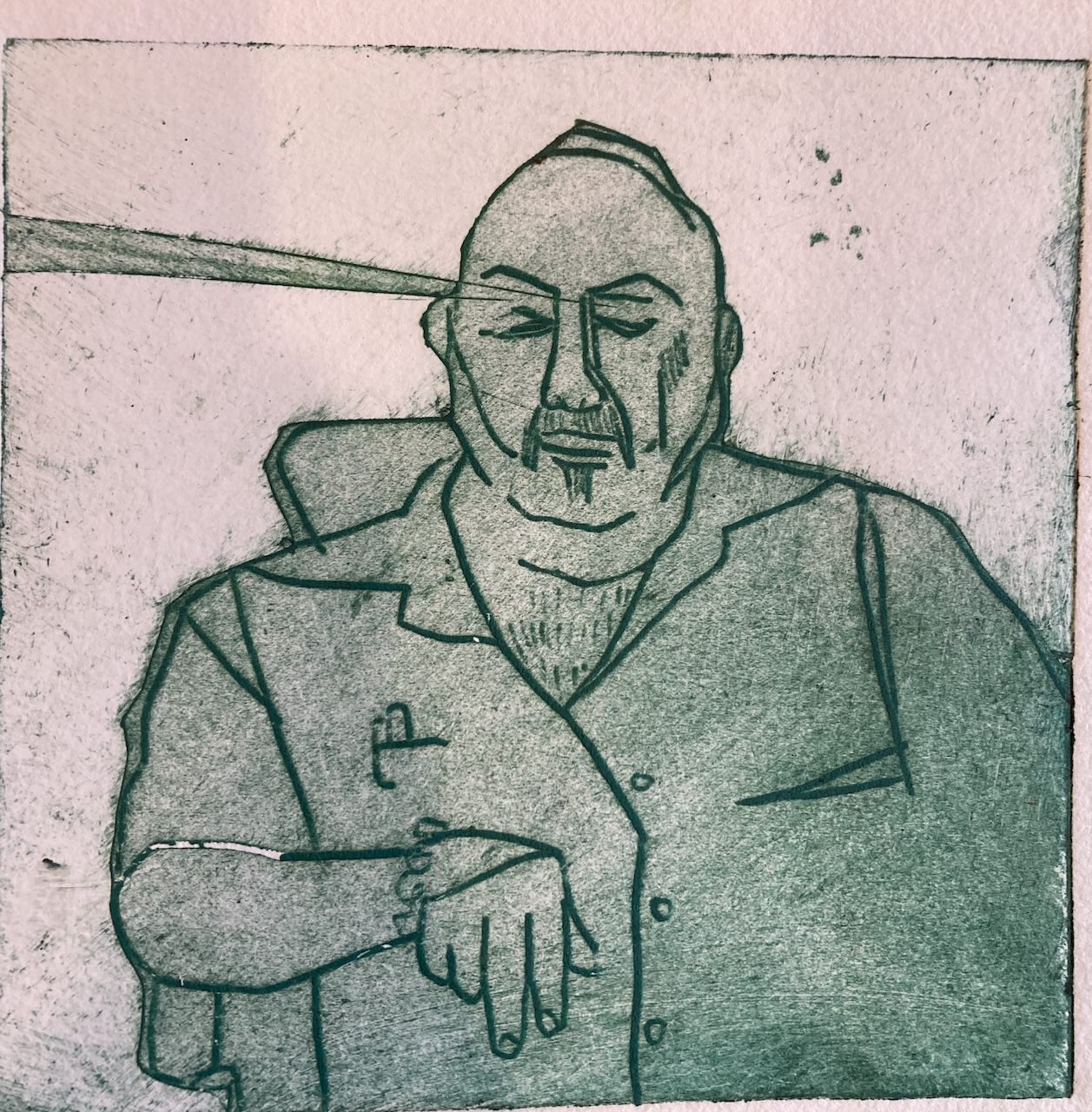
Activist, poet, and Texan Ricardo Sánchez by Atalaya Magdalena
Ricardo Sánchez
March 29 marks the birthday of activist, poet, and Texan Ricardo Sánchez. He is rendered here by artist Atalaya Magdalena. Of Sánchez’s many quotable lines, my favorite is one he shared with his graduate committee at Union Graduate School: “Yale is alienating as hell for a Chicano from the barrio, yet it is an experience we must master if we are ever to liberate ourselves.” Sánchez’s unusual graduate education has inspired me to research Union’s program more deeply. Some artists struggle to find formal education that allows them to fully explore their art. While Union was imperfect, I think it came closer than any other education program could have in meeting Sánchez where he was and helping him get where he was trying to go as a poet and teacher.
Horace Cayton Jr.
April 12 marks the birthday of writer, community organizer, and Seattlite Horace Cayton Jr. Co-author of the Chicago classic Black Metropolis, Cayton first headed “back East” to Chicago to study sociology. In addition to his advocacy for Black people in the city, he played a pivotal role in helping Japanese Americans forcibly relocated to Chicago during World War II. My favorite portrait of Cayton is in the novel Her First American by Lore Segal, a fictionalized account of Segal’s relationship with Cayton during his years living in New York City.
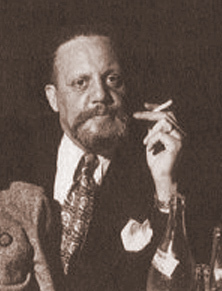
Horace Cayton Jr. Co-author of the Chicago classic Black Metropolis
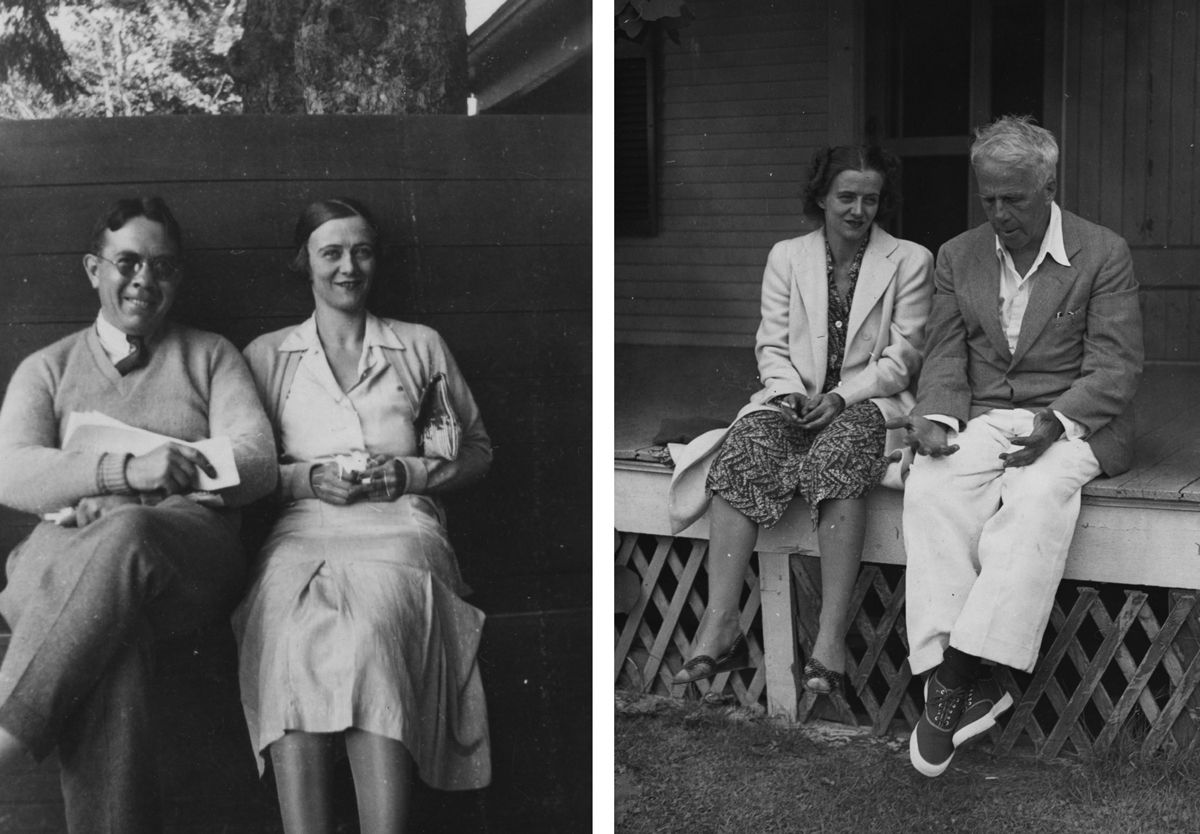
Avis DeVoto and Lee Udall
May 22 marks the birthdays of both Avis DeVoto (1904) and Lee Udall (1922). Avis worked closely with her husband Bernard in his writing career. They are shown here together at the Bread Loaf Writers’ Conference. Today, Avis is better known as the culinary editor for Julia Child. As spouse to Stewart Udall, Lee revived the Washington D.C. Interior Department gallery in the 1960s. She and Stewart played a central role in the invitation to Robert Frost to read and recite at John F. Kennedy’s inauguration. Frost is shown here with Avis DeVoto also at Bread Loaf.
Marcet Haldeman-Julius
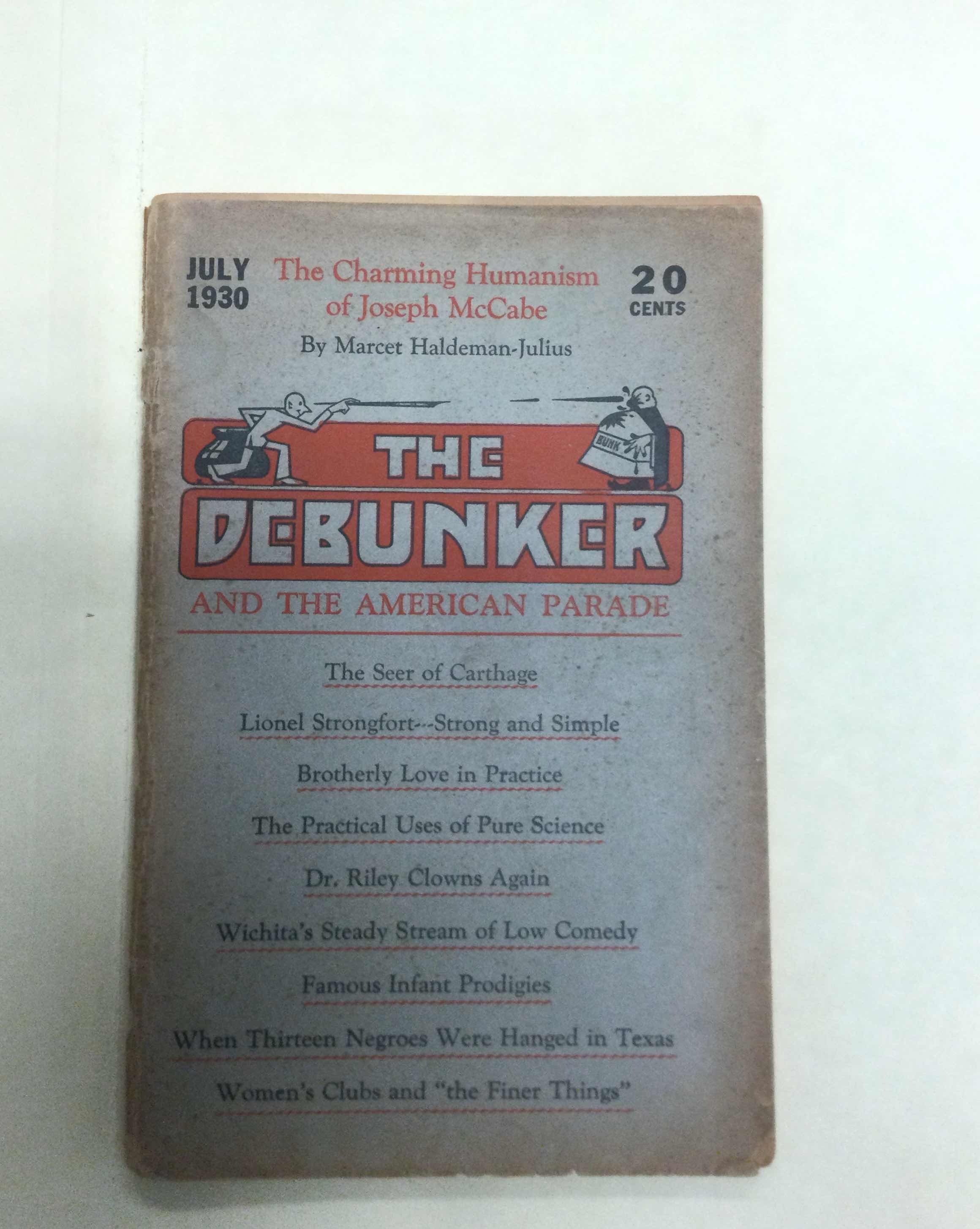
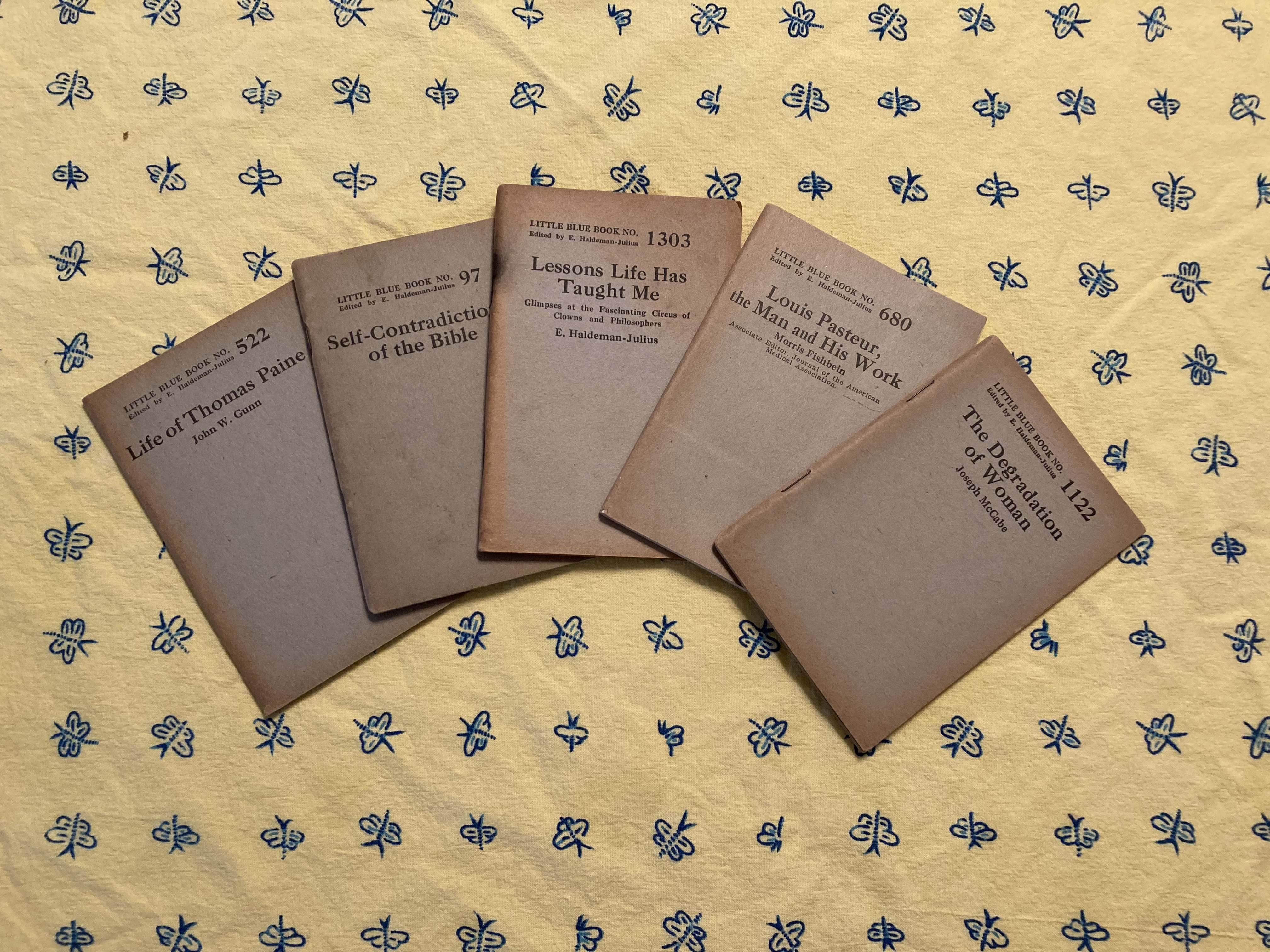
June 18 marks the birthday of Marcet Haldeman-Julius. The niece of Jane Addams, Marcet learned from Addams’s efforts to serve impoverished and working families at Hull House in Chicago. Marcet and her husband, Emanuel (b. July 30, 1889), hyphenated their names and together published Appeal to Reason, The Debunker, and the Little Blue Books, which play a prominent role in Back East as an illustration of the circulation of western literary culture across lines of class, race, region, and gender. The two lived and worked in Girard, Kansas. Below: a cover from the Debunker and a selection of Little Blue Books.
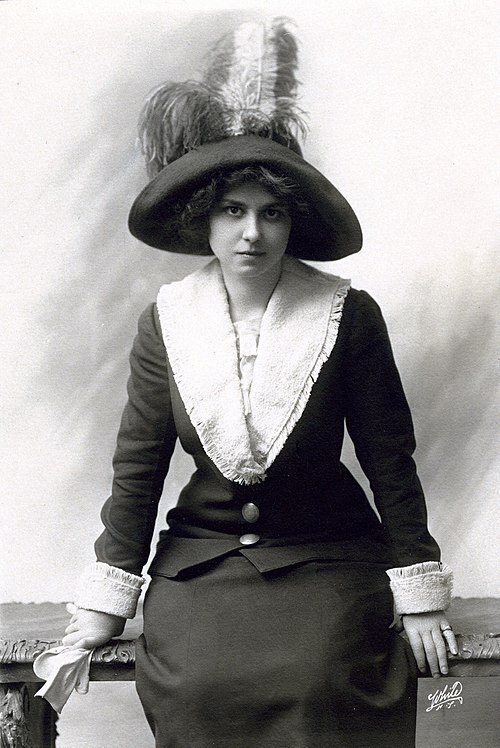
Era Bell Thompson
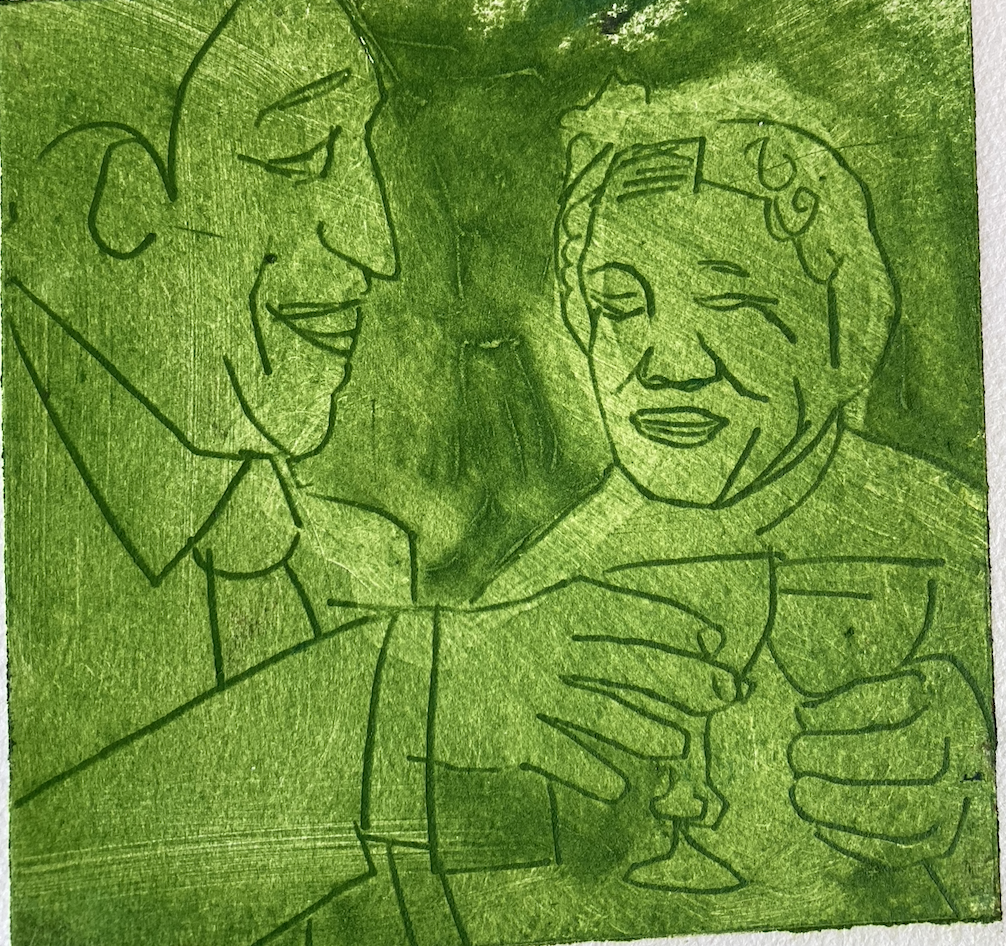
August 10 marks the birthday of Era Bell Thompson. A photograph of her dining with Duke Ellington is rendered here by artist Atalaya Magdalena. A child of the North Dakota prairie, Thompson possessed an adventurous spirit, a great sense of humor, and a powerful resilience. After losing her mother in childhood and her father during her college years, Thompson made her way to Chicago. There, following World War II, she found work at the newly formed Ebony Magazine just as her memoir, American Daughter, was published. Thompson communicated expertly about racial equality with both white and Black audiences and never lost faith that the diverse mix of people that made up the city of Chicago could serve as inspiration for the nation to pursue justice. Thompson traveled extensively both within and outside the United States. Among my favorite quotes in Back East is one of hers: “New Yorkers, contrary to western propaganda, turned out to be very friendly people.”
Edith Mirrielees
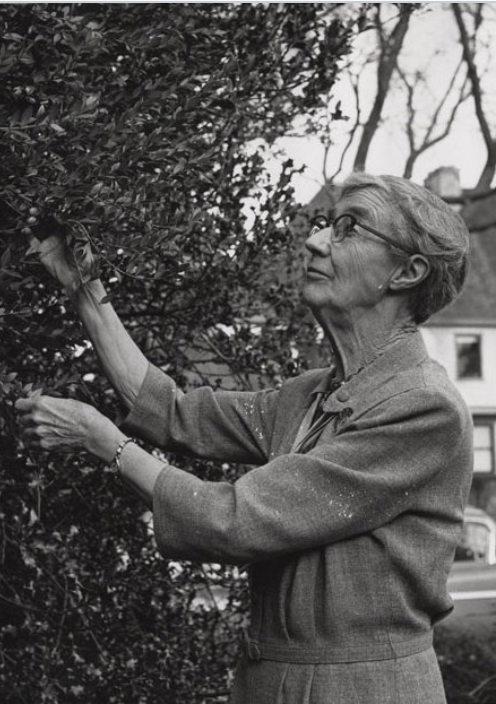
September 10 marks the birthday of editor and short story writer, Edith Mirrielees. Raised in Big Timber, Montana, Mirrielees studied at Stanford and was among the inaugural faculty at the Bread Loaf Writers’ Conference in Vermont, where she befriended Robert Frost. Edith taught John Steinbeck, edited Bernard DeVoto’s writing, arranged for the hire of Wallace Stegner as her replacement at Stanford, and edited the Pacific Spectator, a journal formed “to advance the work of the humanities in the Far West.” She preferred working in the margins, and she used most of her editorial talent to center the work of white, western men.
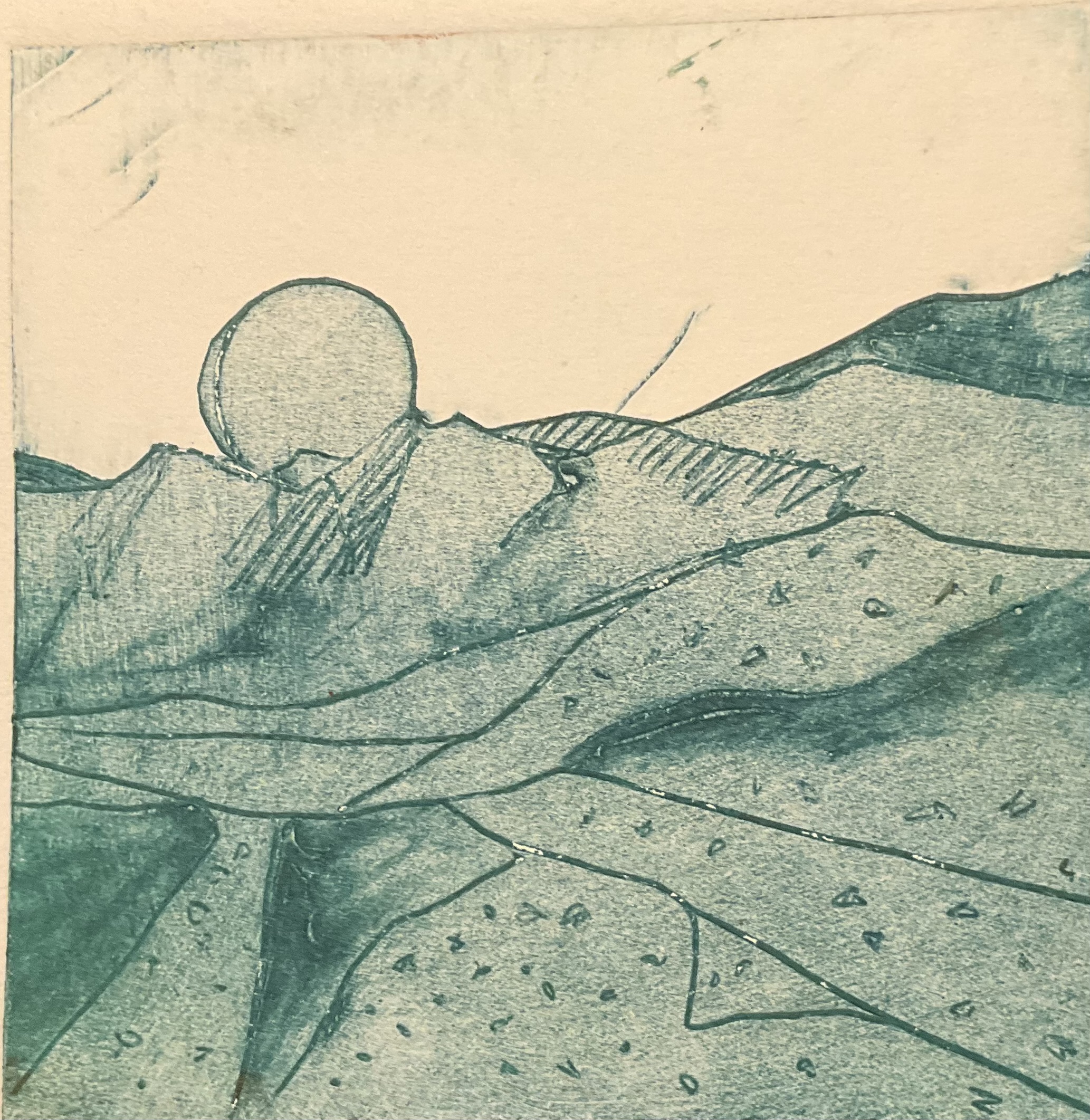
John Bromley
Born in Denver, Colorado on October 5, 1935, John Bromley taught English and American literature at Wayne State College in Michigan before returning to Colorado, where he taught at CU and then became a speechwriter and researcher for Governor John A. Love. In 1974, he began writing for the Rocky Mountain News. He used his editorial column in 1982 to call out the antisemitism of an eastern Colorado paper marketed to rural residents and farmers. The paper trafficked in back East tropes that presented the American East as effeminate and money grubbing in order to foment violence and disrupt democratic processes. An ardent advocate of attentive and reflective reading, Bromley was not intimidated by the paper’s protests of his work and persevered in his advocacy for a free and honest press.
Sterlin Harjo
The television show Reservation Dogs, created by Sterlin Harjo (b. November 14, 1979), includes at least two back East references. In one episode, Native students from Dartmouth condescend to teenagers at a reservation community center in Oklahoma. In another, a character dreams of moving to New York City and smoking cigarettes on a fire escape. On The Lowdown, another Harjo creation, Tim Blake Nelson plays a character like that often imagined by Bernard DeVoto: a western, book-loving, closeted gay man. The show celebrates homegrown western literary culture from bookstores to regional magazines to poetry readings to Oklahoma authors. Nelson’s 2009 film, Leaves of Grass, covers somewhat similar ground. The film depicts twin brothers played by Ed Norton, one of whom becomes a famous professor of classical philosophy at Brown University, the other, a petty criminal in “little Dixie” Oklahoma. The film includes explicit references to “back East,” and I so wish I had seen it before Back East was published!

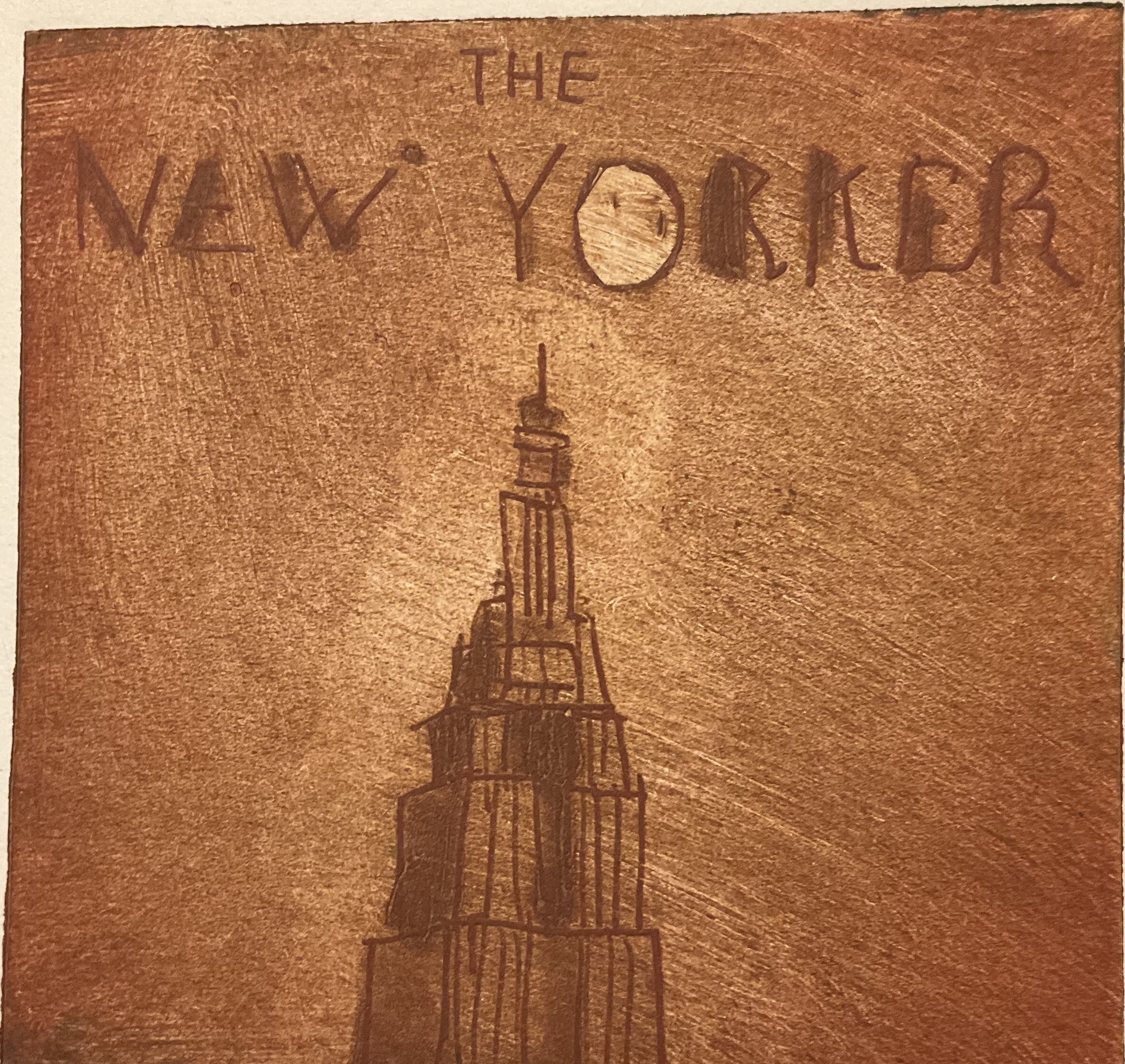
Calvin Trillin
The child of a Kansas City grocer, Calvin Trillin was born December 5, 1935. He attended Yale University and later rode his bicycle around Greenwich Village in between writing articles for The New Yorker magazine. A renowned food writer, he is best known (at least to me) as a loving and devoted spouse to his wife, Alice. Trillin reported on white supremacist and antisemitic activity on the Great Plains during the early 1980s, as Bromley did. Sensitive to the needs and desires of farmers and the rural poor, he used his Kansas City upbringing and his impeccable back East credentials to communicate the frustrations of Plains residents to national audiences during the farm crisis.